
Chiller Rooms: A Practical Guide to Safe and Efficient Food Storage
Restaurants, supermarkets, food factories, hotels, and catering businesses all rely on controlled refrigeration to keep ingredients fresh before processing, preparation, or sale.
A chiller room provides a stable low-temperature environment for storing food products that need refrigeration but do not require freezing. Compared with ordinary refrigerators, it offers greater capacity, better organization, and more consistent temperature control for commercial food operations.
What Is a Chiller Room?
A chiller room maintains a controlled refrigerated environment below 8°C. The exact setting depends on the type of food being stored and the required storage period.
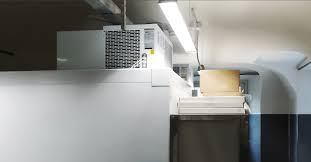
The system normally includes insulated panels, a refrigeration unit, an evaporator, temperature controls, lighting, shelving, and an insulated door. Together, they limit heat transfer and keep temperatures stable.
Unlike a freezer room, a chiller room keeps food cool without turning it into a frozen product. Ideal for ingredients awaiting cooking, processing, display, or delivery.
Common Food Products Stored in Chiller Rooms
Fresh meat and poultry are often kept at approximately 0°C to 4°C, while dairy products generally require consistent temperatures below 5°C.
Fresh fruit and vegetables may need slightly different conditions depending on moisture sensitivity and respiration rate. Some products benefit from higher humidity, while others require better airflow to prevent condensation and spoilage.
Cooked meals, bakery fillings, beverages, sauces, seafood, and prepared ingredients can also be stored in refrigerated rooms.
Why Temperature Stability Matters
Food quality can deteriorate quickly when storage temperatures fluctuate. Repeated temperature changes may encourage bacterial growth, increase moisture loss, and affect texture, color, flavor, and nutritional value.
Efficient refrigeration maintains stable temperatures despite frequent door openings. It should recover the required temperature quickly without placing excessive pressure on the compressor.
Temperature monitoring is equally important. Digital controllers, alarms, and data recording systems allow operators to identify abnormal temperature changes before they cause serious product losses.
Benefits for Food Businesses
One major advantage is increased storage capacity. A commercial chiller room allows food businesses to arrange ingredients by category, production date, batch, or required storage temperature.
Better organization can improve stock rotation and support the first-in, first-out method. Employees can identify products more easily, reducing the chance of expired or forgotten stock.
A walk in chiller room also gives staff convenient access to large quantities of refrigerated ingredients, making it useful for busy kitchens, food preparation centers, and distribution facilities.
Energy efficiency is another important benefit. High-quality insulation, correctly sized refrigeration equipment, and proper door sealing help reduce cooling losses and operating costs.
Important Design Considerations
The room size should match current storage demand while leaving enough space for airflow and future production growth. Oversized systems waste energy, while undersized rooms cause crowding and uneven cooling.
Choose insulated panel thickness based on operating temperature and ambient conditions. The floor may also require insulation, waterproofing, drainage, and an easy-to-clean anti-slip surface.
Door design affects both convenience and energy use. Self-closing doors, strip curtains, heated door frames, and reliable seals can reduce warm air entering the refrigerated area.
Shelving should allow air to circulate around stored products. Food cartons and containers should not be placed directly against evaporators, walls, or the floor, as this may create uneven cooling and hygiene problems.
Hygiene and Food Safety
Regular cleaning helps control bacteria, mold, odors, and food residue. Clean floors, shelves, walls, handles, drains, and evaporator surfaces regularly.
Food should be stored in sealed or covered containers with clear labels. Labels should show the product, preparation and expiry dates, batch number, and storage requirements.
Operators should also inspect door seals, temperature sensors, fans, drainage pipes, and refrigeration components. Preventive maintenance reduces the risk of unexpected shutdowns and temperature-related food losses.
Choosing the Right System
Before purchasing a chiller room, businesses should consider storage volume, product type, target temperature, room location, door-opening frequency, local climate, and available power supply.
Working with an experienced cold room manufacturer can help ensure that the insulation, refrigeration capacity, airflow, controls, and room layout are correctly matched to the application.
Conclusion
A chiller room is an important part of a reliable food storage system. It supports temperature control, stock organization, food safety, and efficient daily operations.
By selecting the correct room size, insulatio