How Fresh Is “Fresh” Seafood and How Can Diners Tell the Difference?
HDinershat “fresh” truly means can be ty.
Seafood is often synonymous with freshness, but for diners, understanding what “fresh” truly means can be tricky. Restaurants such as Lobster Shack in Western Australia take pride in serving you the freshest lobster and seafood caught from the local waters. However, there is a lot of seafood that is called “fresh” that does not meet that standard. Knowing how to identify fresh seafood can help you avoid a regretful meal.
Understanding Seafood Freshness
What Is Fresh Seafood? Fresh seafood typically refers to fish or shellfish that has been caught recently and processed with the least amount of delay to preserve the quality of the commodity. At upscale seafood eateries like Lobster Shack, freshness isn’t just a matter of catch date — it has everything to do with the way it’s stored, handled and prepared.
Diners often assume that seafood is fresh if it looks appealing on display, but appearances alone can be misleading. The key to identifying quality seafood lies in a combination of visual, tactile, and olfactory cues. Knowing how to tell if seafood is fresh ensures that you enjoy seafood at its best while reducing the risk of consuming compromised products.
Visual Signs of Fresh Seafood
Inspection of the freshness is the first step to be by sight. The fish’s eyes should be clear and bright, slightly bulging rather than sunken or cloudy. The gills should be a bright red or pink, which means good oxygenation and fresh picking. The skin needs to be glistening, metallic, and without any discoloration or dryness.
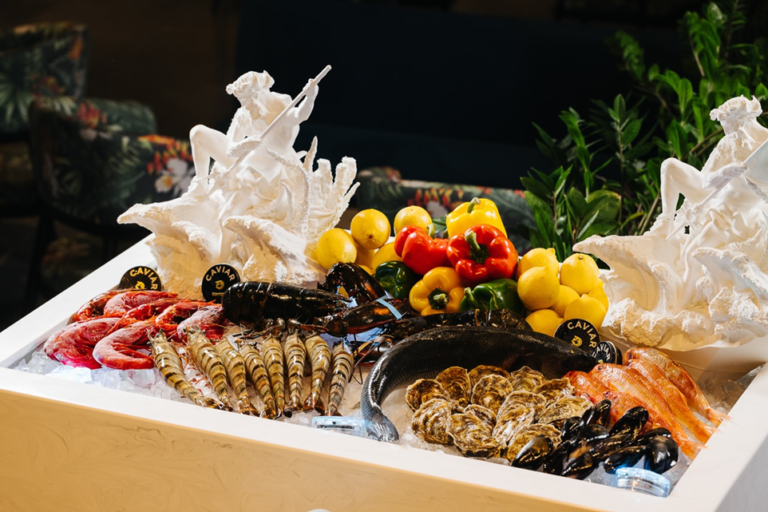
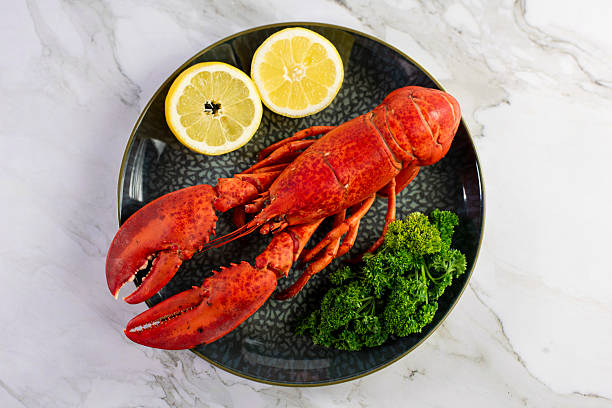
In the case of shellfish such as lobsters or crabs, the shells should be firm and whole without any cracks or unusual stains. Lobster Shack, for example, gets its live lobsters straight from the local waters, which means customers are getting shellfish with robust shells and energetic movement. This vibrant visual vitality is a big sign of freshness.
Smell Matters
One of the most reliable ways to assess freshness is through smell. Fresh seafood should have a mild, ocean-like scent. Any strong, sour, or ammonia-like odor is a warning sign that the product may no longer be safe to consume. At Lobster Shack, the focus on immediate processing and careful storage ensures that the seafood maintains its natural aroma, which is a key component in dining satisfaction.
Learning how to tell if seafood is fresh includes training your senses to recognize these subtle differences. Experienced diners often rely on smell as much as appearance to gauge quality.
Texture and Firmness
Texture is another important factor in determining freshness. Fish flesh should feel firm and resilient, springing back when gently pressed. Soft, mushy, or separating flesh is a clear sign that the seafood is no longer fresh. For shellfish like oysters or mussels, the shells should close tightly when tapped, indicating that the mollusk is alive and viable.
Restaurants like Lobster Shack carefully monitor texture from catch to kitchen, ensuring diners receive seafood that is both safe and high in quality. Understanding how to tell if seafood is fresh through touch can help consumers make informed choices, whether dining out or buying for home cooking.
Source and Handling
Knowing the origin of seafood is also an important part of freshness. Freshness is also part and parcel of local seafood whether at Lobster Shack or anywhere else, local seafood is most often fresher than those that have been carted miles and miles. Fast processing, adequate refrigeration and low levels of processing mean the product is “fresh”.
When buying seafood, inquire about catch date, how the product has been stored and if the fish or shellfish has been frozen. These factors may affect quality, flavor and safety.
Conclusion
Freshness in seafood is a matter of appearance, odor, texture and source. Diners that discover how to tell when seafood is fresh will end up with safer, tastier and more satisfying meals. West Australian restaurants like Lobster Shack demonstrate best practice in that they provide locally caught, live seafood that is handled with great care from ocean to plate.
By noticing the eyes, gills, shell, smell, texture and origin, the consumer is able to differentiate truly fresh seafood from that which may be labeled fresh, but is of inferior quality. Knowing how to spot fresh seafood not only makes for a better meal, but helps contribute to sustainable seafood options and supports local fishermen.
Whether you’re sinking your teeth into a lobster at a restaurant or choosing one from the fishmongers, being able to identify these freshness indicators allows you to rest assured that each bite you take is as safe, delicious and representative of the ocean’s best as it can be. Diners are able to make better informed decisions and taste the higher quality of sustainable seafood ever after — and what better gift can you give?