
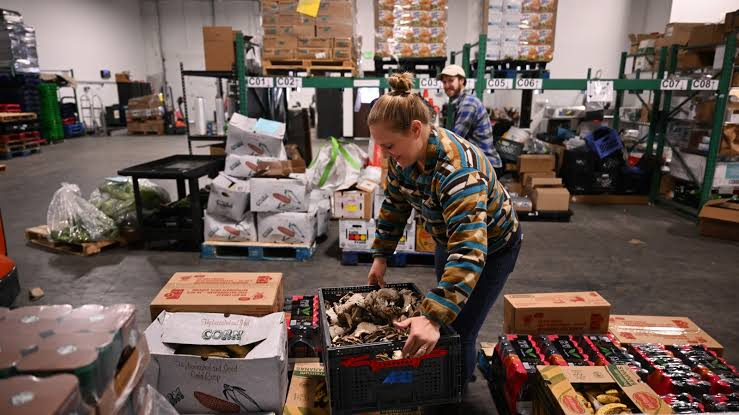
Pantry To Plate: The Importance Of Food Donation In Denver
Access to nutritious food is one of the most basic human needs, yet many individuals and families continue to face food insecurity. Rising living costs, unexpected financial hardships, and changing economic conditions have made it difficult for many households to keep healthy meals on the table. This is the reason why food donation in Denver remains an essential component of community support.
From pantry shelves to family dinner tables, donated food helps bridge the gap between abundance and need. Every can of soup, box of cereal, bag of rice, or fresh produce item contributes to a stronger network of support that benefits thousands of people throughout the city.
Turning Excess Food Into Meaningful Support
Food waste remains a significant challenge across the country. Grocery stores, restaurants, businesses, farms, and households often have food that is still safe and nutritious but may go unused. Instead of allowing these items to be discarded, donation programs redirect them to organizations that can distribute them to people who need assistance.
This simple act creates benefits for everyone involved. Donors reduce waste, charitable organizations receive valuable supplies, and families gain access to meals that improve their quality of life. It is a practical solution that addresses two important issues at the same time: hunger and food waste.
Building Stronger Communities Through Shared Responsibility
Communities become stronger when neighbors help one another. Food donation encourages a culture of generosity where individuals, businesses, schools, and local organizations work together toward a common goal.
Community food drives often bring together volunteers of all ages. Local businesses may organize collection events, schools may encourage students to donate nonperishable goods, and faith-based organizations frequently coordinate pantry support throughout the year. These combined efforts create a reliable supply of food for community pantries while strengthening relationships among residents.
Every contribution, regardless of size, demonstrates that community members care about the well-being of others.
Providing Nutritious Options For Families
Food assistance is about more than simply filling empty shelves. Many organizations focus on providing balanced food choices that help families prepare healthy meals at home.
Whole grains, legumes, tinned vegetables, peanut butter, pasta, and protein-rich foods are staples that provide enduring value. The nutritional quality is further enhanced by the availability of fresh fruits, vegetables, dairy products, and lean proteins.
By supporting food donation in Denver, donors help ensure that families have access to meals that promote better health rather than simply addressing immediate hunger.
Supporting People During Difficult Times
Financial hardship can affect anyone. Job loss, medical expenses, reduced work hours, or unexpected emergencies may suddenly leave families struggling to afford groceries. Food assistance programs provide temporary support while individuals regain financial stability.
Parents can continue providing meals for their children without sacrificing other essential expenses such as housing, transportation, or healthcare. Older adults living on fixed incomes also benefit from reliable access to nutritious food.
Food donations provide peace of mind during uncertain periods, allowing recipients to focus on rebuilding their lives instead of worrying about where their next meal will come from.
Businesses Play An Important Role
Businesses throughout Denver have numerous opportunities to support local food donation efforts. Grocery stores can donate surplus inventory, restaurants can contribute eligible unused food through approved programs, and manufacturers can provide excess packaged products.
Corporate food drives also encourage employee engagement while giving organizations an opportunity to contribute to meaningful community initiatives. Many businesses discover that participating in donation programs strengthens both community relationships and employee morale.
Consistently contributing throughout the year can have a substantial impact on even modest businesses.
Volunteers Help Food Reach The Right People
Food donations alone are not enough without dedicated volunteers who sort, organize, package, and distribute them. Volunteers help inspect donated items, stock pantry shelves, prepare food boxes, and assist visitors with dignity and respect.
Many organizations rely on volunteers to keep daily operations running efficiently. Whether someone volunteers once a month or several times a week, their time helps ensure donated food reaches households quickly and safely. Volunteer efforts transform generous donations into real meals for real families.
Small Donations Create Lasting Results
Many people assume that only large donations make a difference, but small contributions add up remarkably over time. Donating just a few pantry staples during each grocery trip can help maintain consistent food supplies throughout the year.
Seasonal food drives are valuable, but ongoing donations provide greater stability for food pantries that serve community members every day. Consistent giving allows organizations to better plan inventory and respond to changing demand.
Every donated item becomes part of a greater effort that supports countless meals across the community.
A Commitment That Benefits Everyone
From pantry shelves to dinner plates, donated food represents compassion, cooperation, and hope. It reduces waste, supports families facing hardship, encourages community involvement, and helps ensure that nutritious meals remain accessible to those who need them most.
The importance of food donation in Denver extends far beyond providing groceries. It strengthens neighborhoods, builds lasting partnerships, and reminds us that positive change often begins with simple acts of generosity. Whether through donating food, volunteering time, or organizing community collection efforts, everyone has the opportunity to help create a healthier, more connected Denver where no one has to face hunger alone.