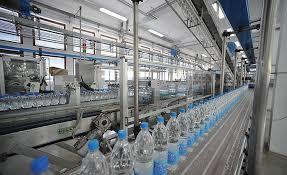
How Bottled Water Production Supports Safe Food and Beverage Supply
Bottled water plays an important role in the modern food and beverage supply chain. From daily drinking needs to restaurants, hotels, schools, hospitals, and emergency supply programs, safe packaged water helps provide reliable hydration when and where people need it. Behind every bottle is a controlled production process designed to protect water quality, improve shelf stability, and support efficient distribution.
The Importance of Safe Bottled Water Production
Meeting Daily Consumer Demand
Clean drinking water is a basic need, but access to safe water can vary by region, season, and infrastructure condition. Bottled water offers a convenient option for consumers who need portable, ready-to-drink water. It is widely used in supermarkets, offices, travel, outdoor activities, and food service environments.
For food and beverage businesses, bottled water also supports customer confidence. Restaurants, cafes, hotels, and event venues often rely on packaged water because it is easy to store, transport, and serve. Consistent bottle sizes, sealed packaging, and clear labeling make it suitable for both retail and commercial use.
Supporting Emergency and Backup Supply
Bottled water is especially valuable during natural disasters, pipeline maintenance, water contamination events, and public emergencies. When tap water systems are interrupted, bottled water can be quickly transported and distributed. This makes it an important part of emergency food and beverage supply planning.
A stable production system allows manufacturers to respond faster to sudden increases in demand. This is why many producers invest in efficient treatment, filling, capping, labeling, and packing systems to maintain output while protecting product quality.
How Production Processes Protect Water Quality
Water Treatment Before Filling
Before water enters bottles, it usually passes through several treatment steps. These may include sand filtration, activated carbon filtration, reverse osmosis, UV sterilization, ozone treatment, or mineral adjustment, depending on the water source and product type.
The purpose of treatment is to remove impurities, control taste, reduce microorganisms, and create stable water quality. A well-designed treatment system helps ensure that the final product meets drinking water standards and remains suitable for storage and distribution.
Hygienic Filling and Sealing
After treatment, the filling stage must be carefully controlled. Bottles need to be rinsed or cleaned, water must be filled accurately, and caps must be applied tightly to prevent leakage or contamination. A modern water filling machine helps complete these steps under cleaner, more consistent conditions, reducing manual contact and improving production hygiene.
Good sealing is also essential. If caps are loose or damaged, outside air, dust, or microorganisms may enter the bottle. Proper capping torque, cap inspection, and leakage checks help maintain product safety before bottles move to labeling and packing.
Packaging Helps Maintain Safety
Bottle and Cap Protection
Packaging is not only about appearance. PET bottles, caps, labels, shrink film, cartons, and pallets all help protect bottled water during storage and transport. The bottle must be strong enough to resist pressure, deformation, and handling damage. Caps must match bottle necks accurately to ensure a secure seal.
For large-scale beverage supply, packaging consistency matters. Bottles must move smoothly through conveyors, labeling equipment, packing machines, and warehouse systems. Poor bottle quality can cause jams, leakage, or product loss.
Labeling and Traceability
Labels provide important information such as brand name, volume, production date, shelf life, batch number, and storage instructions. Traceability helps manufacturers identify production batches quickly if quality issues occur.
For food and beverage supply chains, traceability is a key part of quality control. It allows producers, distributors, and retailers to manage inventory, check shelf life, and respond to customer concerns more effectively.
Production Efficiency Supports Stable Supply
Automation Reduces Delays
A complete bottled water line may include bottle blowing, water treatment, rinsing, filling, capping, labeling, coding, packing, and palletizing. A reliable water bottling machine can help factories improve speed, reduce labor intensity, and maintain stable output for daily orders.
Automation also helps reduce errors caused by manual operation. With sensors, PLC control, touchscreens, and inspection devices, factories can monitor production speed, filling level, cap status, and machine performance in real time.
Quality Control Throughout the Line
Safe production depends on more than one machine. It requires continuous quality control across the whole process. Operators may check water quality, bottle cleanliness, filling accuracy, cap tightness, label position, packaging condition, and warehouse storage.
Regular maintenance is also important. Filters, pumps, filling valves, conveyors, and capping heads need inspection and cleaning. Preventive maintenance reduces downtime and helps factories avoid unexpected production interruptions.
Supporting the Wider Food and Beverage Industry
Reliable Supply for Different Channels
Bottled water serves many channels, including retail stores, catering companies, schools, healthcare facilities, transportation hubs, and hospitality businesses. Stable production helps these channels maintain inventory and serve customers safely.
For beverage brands, bottled water production also creates a foundation for other packaged drinks. Many hygiene, filling, packaging, and quality control principles are similar across still water, flavored water, juice drinks, and functional beverages.
Building Consumer Trust
Consumers expect bottled water to be clean, sealed, and consistent. When manufacturers use proper treatment, hygienic filling, safe packaging, and clear traceability, they help build trust in the entire food and beverage supply chain.
In this way, bottled water production is not only a manufacturing process. It is a safety system that connects water sources, equipment, packaging, logistics, retailers, and consumers. A well-managed production line helps ensure that safe drinking water remains available, reliable, and ready for everyday life.
read more : Chowking Wonton Mami Price Philippines