
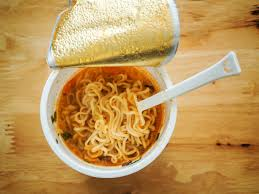
Palm Oil in Instant Noodles, Chips, and Ready-to-Eat Foods
Palm oil is one of the most widely used edible oils in the global food industry. From instant noodles and potato chips to ready-to-eat meals, it plays an important role in creating the taste, texture, and shelf stability that consumers expect. Its balanced properties make it suitable for frying, seasoning, coating, and food processing, especially in products that need consistent quality during storage and transportation.
For food manufacturers, palm oil is valued not only for its functionality but also for its availability and cost efficiency. As demand for convenient foods continues to grow, palm oil remains a key ingredient in many fast-moving food categories.
Why Palm Oil Is Common in Convenience Foods
Convenience foods are designed to be quick, tasty, and easy to store. To achieve these goals, manufacturers need oils that can withstand processing conditions and maintain product quality over time. Palm oil naturally contains a balanced mix of saturated and unsaturated fats, giving it good heat stability and a semi-solid texture at room temperature.
This makes it useful in foods that require frying, crispness, smooth mouthfeel, or long shelf life. Compared with some liquid vegetable oils, palm oil is less prone to oxidation, which helps reduce rancidity and flavor changes during storage. For packaged foods sold across different regions and climates, this stability is especially important.
Palm Oil in Instant Noodles
Instant noodles are one of the most recognizable foods that use palm oil. During production, noodle strands are often steamed and then fried to remove moisture quickly. Palm oil is commonly used in this frying process because it can tolerate high temperatures and help create the porous structure that allows noodles to rehydrate rapidly in hot water.
This frying step gives instant noodles their convenient cooking performance. When consumers add boiling water, the dried noodles soften within minutes because their structure has already been prepared during processing. Palm oil also contributes to the familiar texture of instant noodles, helping them remain firm yet tender after rehydration.
In addition to noodle frying, palm oil may also be used in seasoning oil sachets. These flavor packets often contain spices, garlic, chili, onion, or meat-style flavors blended into oil. Palm oil helps carry these flavors evenly and provides a rich taste experience when mixed with the noodles.
Palm Oil in Chips and Crispy Snacks
Chips and fried snacks depend heavily on the quality of frying oil. A good frying oil should create crisp texture, golden color, and appealing flavor without breaking down too quickly. Palm oil performs well in this role because of its heat resistance and oxidative stability.
In potato chips, corn chips, plantain chips, and other crispy snacks, palm oil helps achieve a satisfying crunch. It also supports uniform frying, which is important for consistent product appearance and taste. Since snack foods may remain on store shelves for weeks or months, oil stability is essential for maintaining freshness.
Another advantage is that palm oil has a relatively neutral taste when properly refined. This allows seasoning flavors such as barbecue, cheese, sour cream, chili, or sea salt to stand out clearly. For snack producers, this flexibility makes palm oil suitable for a wide range of product styles and regional flavor profiles.
Palm Oil in Ready-to-Eat Foods
Ready-to-eat foods include frozen meals, canned foods, packaged rice dishes, sauces, bakery-style snacks, and meal kits. These products often require oils that can support texture, flavor, and processing stability. Palm oil can be used in sauces, fillings, stir-fry bases, curry pastes, and prepared meal components.
In ready-to-eat curries or stews, palm oil helps create body and richness. In packaged fried rice or noodle meals, it supports flavor distribution and prevents dryness. In some frozen foods, palm-based fats may help improve texture after reheating.
Because ready-to-eat foods are produced at scale, ingredient consistency is important. Manufacturers need oil that behaves predictably during cooking, mixing, cooling, packaging, and reheating. Palm oil’s functional stability makes it practical for large-scale production.
Processing Quality Matters
The quality of palm oil used in food depends greatly on refining and processing. Crude palm oil must go through steps such as degumming, neutralization, bleaching, deodorization, and sometimes fractionation before it becomes suitable for different food applications. Proper processing removes impurities, improves color, reduces odor, and creates oil fractions with specific melting points.
Reliable palm oil equipment helps manufacturers produce refined oils that meet food safety and performance requirements. For example, a company like Vortech Global may support food-processing businesses with solutions designed for palm oil refining and related production needs, helping ensure stable output for downstream food applications.
Nutrition and Responsible Use
Although palm oil has many technical advantages, food manufacturers should use it responsibly. Like all edible oils, it contributes calories and fat to the diet. Many instant noodles, chips, and ready-to-eat foods are also high in sodium, refined carbohydrates, or added seasonings, so balanced consumption is important.
From a sustainability perspective, palm oil sourcing has become a major industry concern. Responsible sourcing, traceability, certification, and improved agricultural practices can help reduce environmental and social risks. Food brands that use palm oil increasingly need to consider both product quality and supply chain responsibility.
Conclusion
Palm oil plays a significant role in instant noodles, chips, and ready-to-eat foods because it supports crispness, flavor delivery, heat stability, and shelf life. Its versatility makes it useful across many convenience food categories, from fried noodle blocks to seasoned snack products and prepared meal sauces.
As consumer demand for quick and flavorful foods continues to expand, palm oil will remain an important ingredient in food manufacturing. However, its value depends on proper processing, responsible sourcing, and balanced product formulation. When used carefully, palm oil helps manufacturers create convenient foods that are stable, appealing, and suitable for modern lifestyles.